
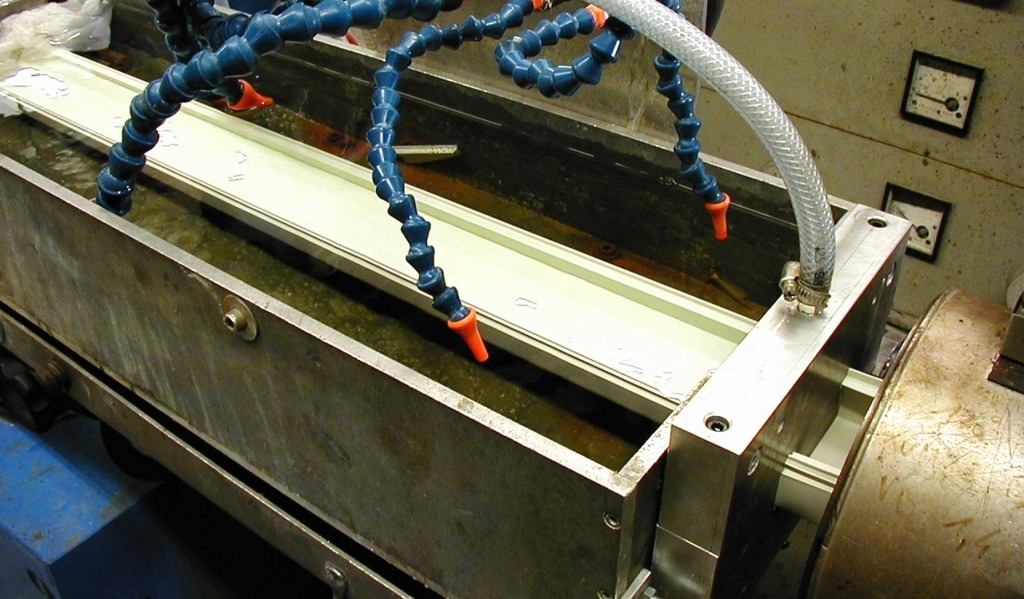
abs plastic extrusions have become an indispensable part of modern manufacturing, finding diverse applications across various industries. As a versatile thermoplastic material, ABS (Acrylonitrile Butadiene Styrene) offers exceptional durability, impact resistance, and ease of fabrication. This article delves into the intricacies of ABS plastic extrusions, exploring their production process, advantages, applications, and sustainability aspects.
- Understanding ABS Plastic
ABS is a copolymer made from three distinct monomers: acrylonitrile, butadiene, and styrene. This combination results in a material that exhibits the properties of each monomer, making ABS an ideal choice for various applications. It boasts a unique balance of strength, rigidity, and toughness, making it suitable for both structural and aesthetic components.
- The Extrusion Process
Extrusion is the most common manufacturing method employed to create ABS plastic profiles. The process involves forcing molten ABS material through a die, shaping it into the desired cross-sectional profile. The extruded ABS then undergoes cooling and cutting to obtain the final product.
- Advantages of ABS Plastic Extrusions
3.1. Durability: ABS plastic extrusions possess excellent mechanical properties, offering high resistance to impact, abrasion, and chemicals. This durability ensures long-lasting and reliable performance, making them ideal for demanding applications.
3.2. Versatility: The ease of extrusion allows for a wide range of profile designs, making ABS plastic extrusions suitable for various industries, including automotive, construction, electronics, and consumer goods.
3.3. Machinability: ABS plastic can be readily machined, drilled, and tapped, providing manufacturers with flexibility during the fabrication process.
3.4. Surface Finish: ABS extrusions can achieve smooth and aesthetically pleasing surfaces, reducing the need for additional finishing processes.
- Applications of ABS Plastic Extrusions
4.1. Automotive Industry: ABS plastic extrusions are extensively used in the automotive sector for interior and exterior trims, grilles, and body components. Their lightweight yet robust nature contributes to fuel efficiency and improved performance.
4.2. Building and Construction: ABS profiles find application in window and door frames, decorative moldings, and structural support elements. Their resistance to weathering and UV radiation makes them suitable for outdoor use.
4.3. Electronics: ABS plastic is widely utilized in electronic enclosures, housing for appliances, and various consumer electronics due to its electrical insulating properties.
4.4. Point of Purchase (POP) Displays: ABS extrusions are employed to create eye-catching POP displays, enhancing product visibility and marketing appeal.
4.5. Medical Devices: ABS plastic’s biocompatibility and resistance to sterilization processes make it suitable for medical device components and equipment housings.
- Sustainability and Recyclability
ABS plastic extrusions can be recycled, contributing to a more sustainable approach to manufacturing. By reprocessing post-consumer and post-industrial ABS waste, the environmental impact can be reduced, conserving natural resources and energy.
Conclusion
ABS plastic extrusions have revolutionized modern manufacturing, providing a versatile and durable material for an array of applications. Their ability to withstand harsh environments, combined with ease of fabrication and recyclability, makes them a preferred choice across industries. As technology advances, ABS plastic extrusions will continue to play a pivotal role in shaping the future of manufacturing.